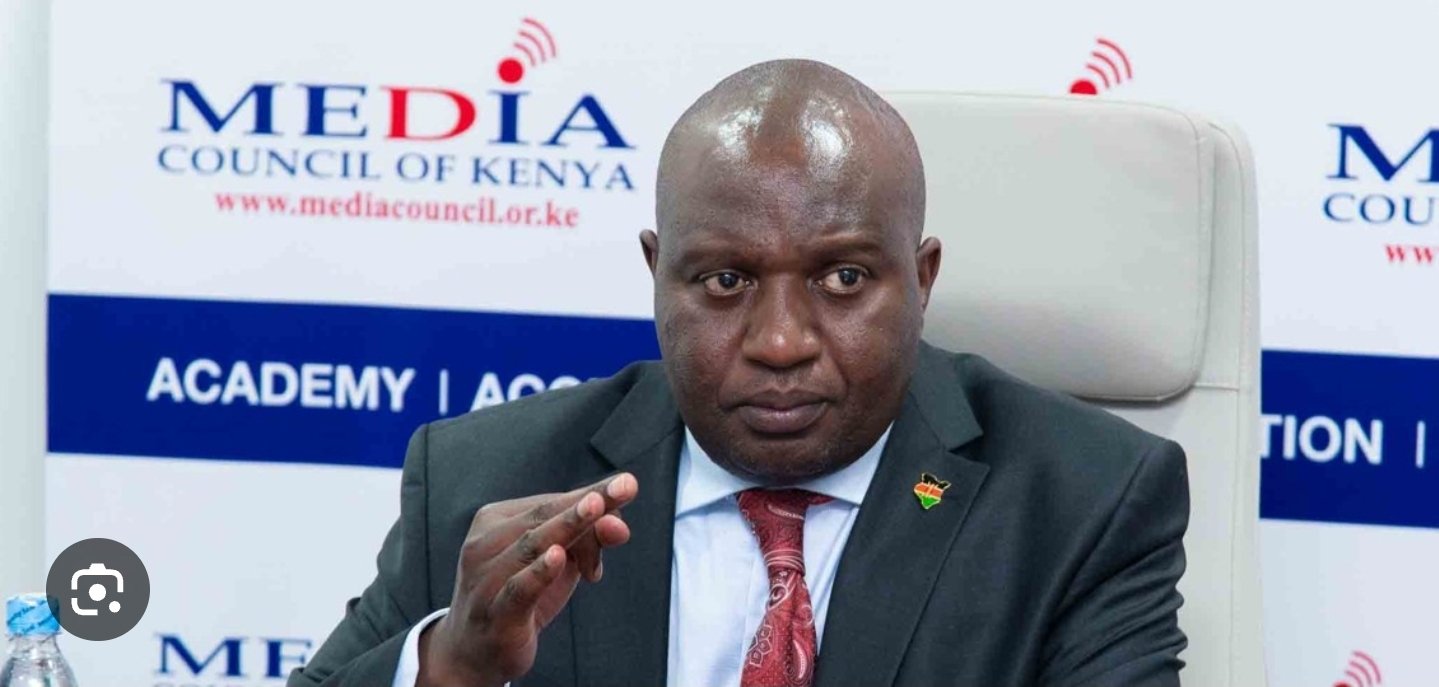
The Media Council of Kenya (MCK) has ordered all media houses to introduce a mandatory seven-second delay on live broadcasts, warning that real-time coverage is increasingly being used to air harmful content that could breach media laws.
In a media advisory issued Tuesday, the council raised concern over the growing spread of inflammatory remarks, misinformation and manipulated material through live transmissions, especially during public rallies.
It cautioned that such broadcasts are exposing media outlets to legal risk and undermining ethical standards in journalism.
The regulator said the trend has led to repeated violations of the Code of Conduct under the Media Council Act, No. 46 of 2013, which gives it the role of overseeing and guiding media practice in the country.
Quoting Clause 11 of the Code of Conduct for Media Practice, the council emphasized: “Mandatory delay for live broadcasts - A media enterprise shall incorporate a minimum seven-second delay in live broadcasts to prevent the unintended publication of material that violates this Code.”
The council stressed that while freedom of expression is protected under the Constitution, it must be handled with care and responsibility.
“A well-regulated media ecosystem should uphold freedom of expression while ensuring responsibility and accountability,” the council said, adding that such a system promotes public-interest journalism and strengthens democratic governance.
It further warned that although broadcasters are not responsible for what is said during political events, they assume full responsibility once such content is aired to the public.
“Any legal infractions arising from such content whether hate speech or other harmful material ultimately attract legal responsibility on the part of the platform or publisher that disseminates it,” the statement read.
Media houses have also been directed to apply strict editorial judgment to ensure that content “is not published in a manner likely to inflame passions or aggravate tensions.”
Where hate speech is reported for public interest, the council instructed that “offensive words must be redacted.”
The directive targets journalists, media practitioners, and media enterprises across both digital and traditional platforms, with the council urging all players to stay alert and take early steps to avoid breaking ethical rules.
The move follows rising concern over the effect of unchecked live broadcasts on public debate, with the regulator reaffirming its role in promoting responsible journalism while protecting media freedom in Kenya.